
Alghero Summer School
on
Elastic Metamaterials: From Theory to Applications
22-29 May 2016, Alghero, Italy
ALGHERO, a small piece of Catalunya in the north-west of Sardinia
Alghero is a small city located in the north-west of Sardinia. Due to its strategic position in the Mediterranean Sea, Alghero was built around a fortified port, founded around 1102 by the Genoese Doria family. The Doria ruled it for centuries, apart from a brief period under the rule of Pisa (1283–84). In 1353 it was captured by the forces of the Crown of Aragon under Bernardo de Cabrera; in 1372, following several revolts, the indigenous Sardinian and Genoese population was expelled, and Alghero could later grow in number because of the arrival of Catalan colonists. In the early 16th century Alghero received papal recognition as a bishopric and the status of King’s City and developed economically. The Aragonese were followed by the Spanish Habsburgs, whose dominion, ending in 1702, brought some stylish elegance to the city. In 1720 Alghero and Sardinia were handed over to the Piedmont based House of Savoy. Around 1750 a wide channel was excavated to improve the defensive position of the peninsula. In 1821 famine led to a revolt of the population, which was bloodily suppressed. At the end of the same century Alghero was demilitarized and, during the Fascist era, part of the surrounding marshes was reclaimed and the suburbs of Fertilia and S. M. La Palma were founded. During World War II (1943) Alghero was bombed, and its historical centre suffered heavy damage. The presence of malaria in the countryside was finally overcome in the 1950s. Since then, Alghero has become a popular tourist resort. Nowadays, the language recall more the Catalan language than the Sardinian dialect. It is an island in an island for traditions, strongly Catholic, food and cultural heritage…Read more
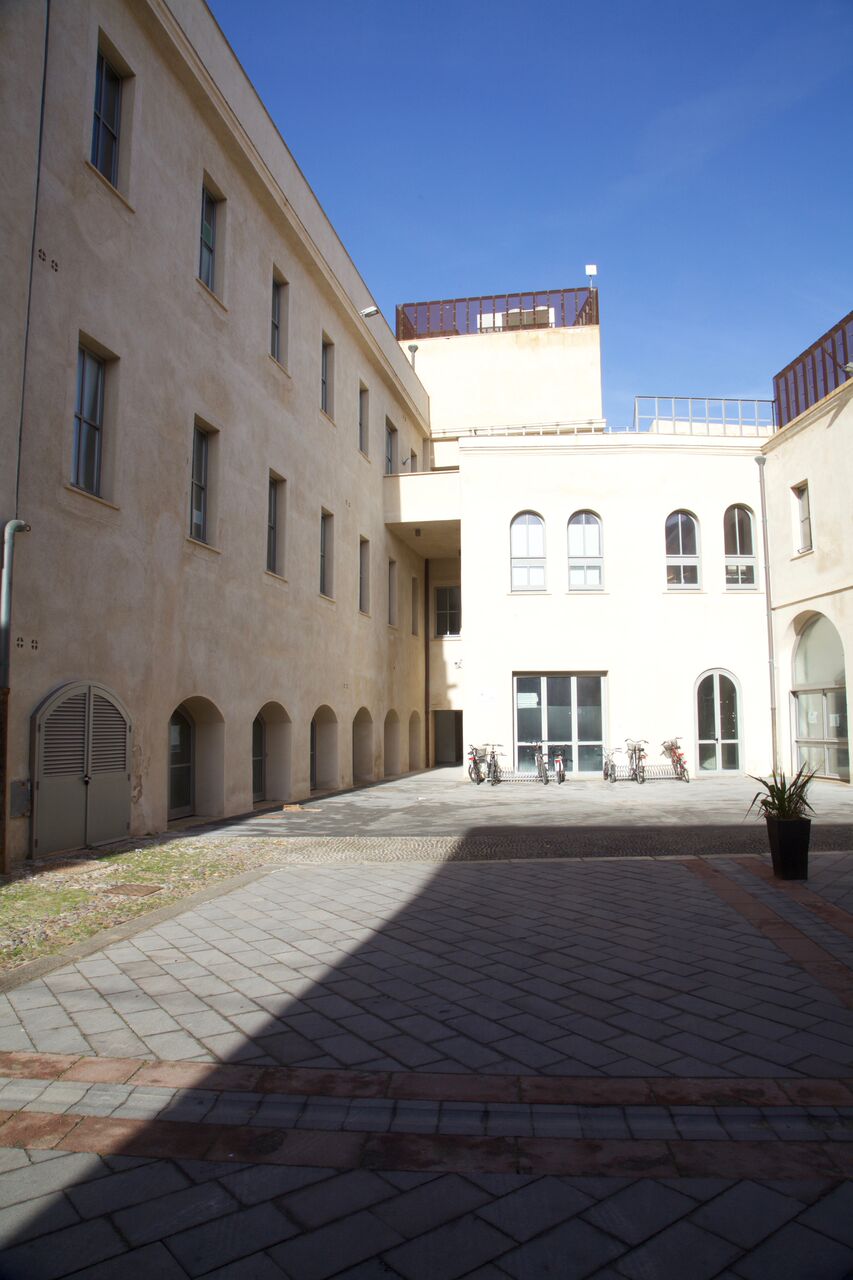
ALGHERO SCHOOL OF ARCHITECTURE
The Summer School will be held at the Faculty of Architecture of the University of Sassari, which is about 35 km from Alghero, was founded about 13 years ago choosing to locate it in the old town of Alghero. One of the building of the Faculty which will host the Summer School, the recently restored S. Chiara complex, is in the heart of the old town of Alghero and looks the mediterranean sea and the Capo Caccia cliff which hiding the caves of Neptune.
Address: Ex Ospedale di Santa Chiara, Muralla de l’Hospital (Bastioni Pigafetta), 07041 Alghero (SS)
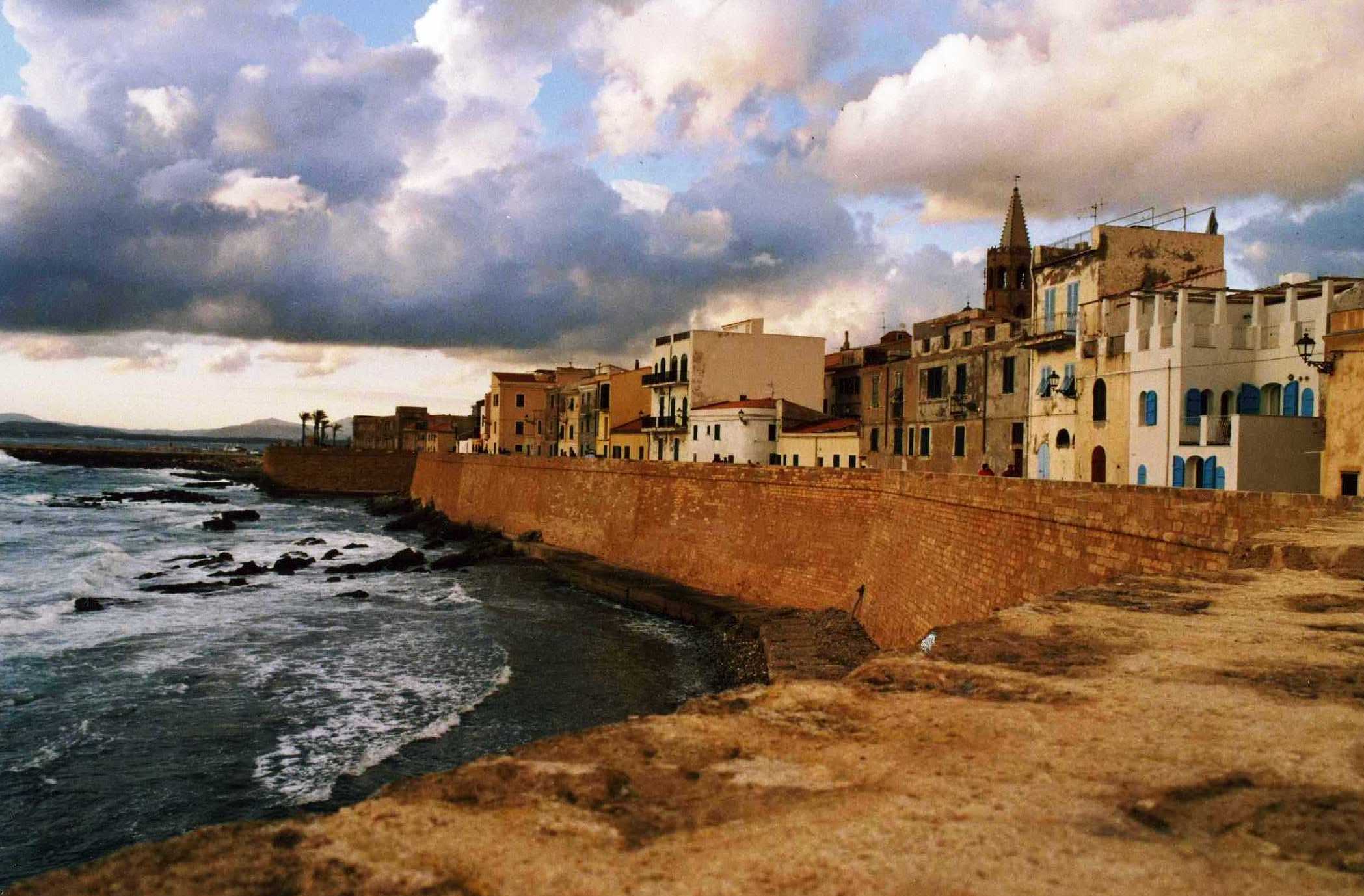
THE 16th ARAGONESE CROWN CITY WALLS
Alghero’s golden sea walls, built around the centro storico by the Aragonese in the 16th century, are a highlight of the town’s historic cityscape … Read more
“There at the shore, this city closed off by ramparts shows from the bottom of its walls, gothic fortresses, bell towers, cupolas, bastions of a citadel and the roofs of the white houses (…) and my spirit returns sweetly to Barcellona’. (G.C. Vuiller, Les Iles oubliés)
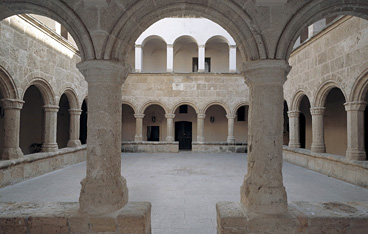
CHIESA DI SAN FRANCESCO
Alghero’s finest church is a model of architectural harmony. Originally built to a Catalan Gothic design in the 14th century, it was later given a Renaissance facelift after it partially collapsed in 1593… Read more
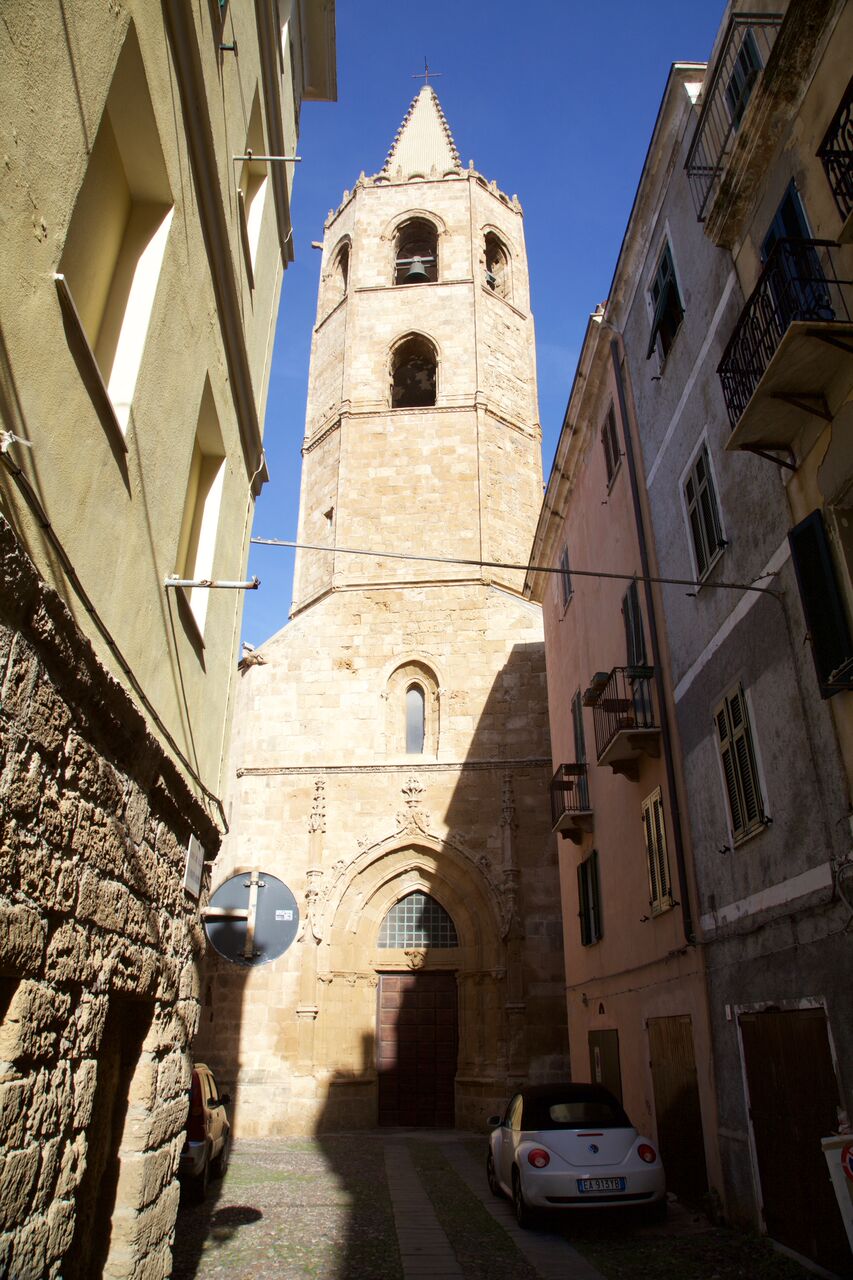 CATTEDRALE DI SANTA MARIA IMMACOLATA
Of more interest than the interior of the Cattedrale di Santa Maria is its striking campanile (bell tower). Accessible through a Gothic doorway on Via Principe Umberto, this tall octagonal tower – the one you see rising above Alghero’s rooftops – is a fine example of Catalan Gothic architecture.
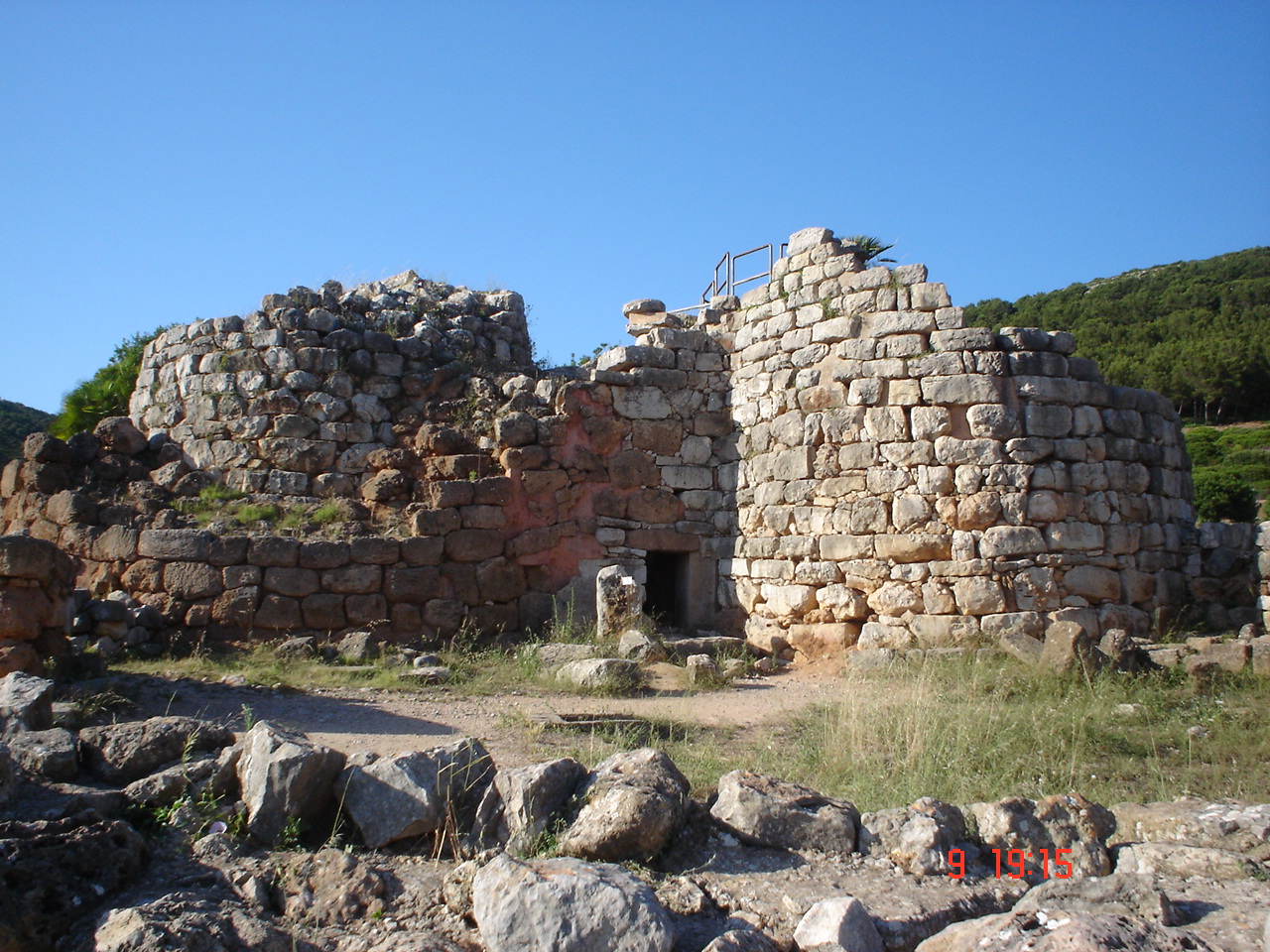
THE NURAGHE PALMAVERA
The area of today’s Alghero has been settled since pre-historic times. The so-called Ozieri culture was present here in the 4th millennium BC (Necropolis of Anghelu Ruju); while the Nuraghe civilization was present in the area around 1500 BC…Read more
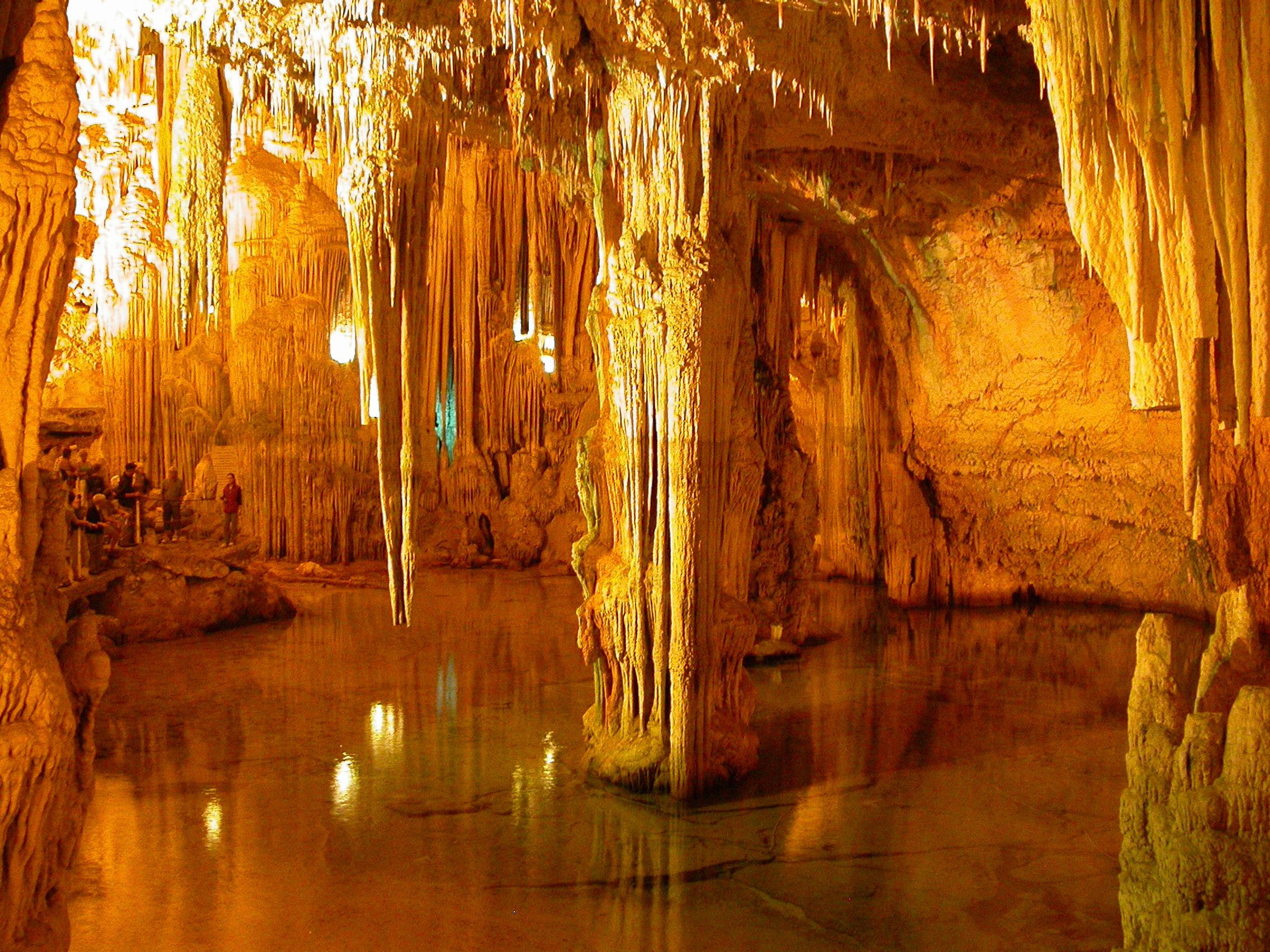
THE NEPTUNE’S GROTTO
Within the limestone mass of Capo Caccia, on the side most battered by the sea, is one of the most unforgettable geological marvels to amaze those who have a chance to visit it. These are the Neptune Caves in Alghero which attract more than 150,000 visitors a year from all over the world… Read more